
Red Wine on a Nano-Protected Leather Sofa: A Real Test
What actually happens when red wine hits a nano-protected leather sofa? We put fabric protection to the real test — here's exactly what Lebanese homeowners need to know.
3/29/20264 min read
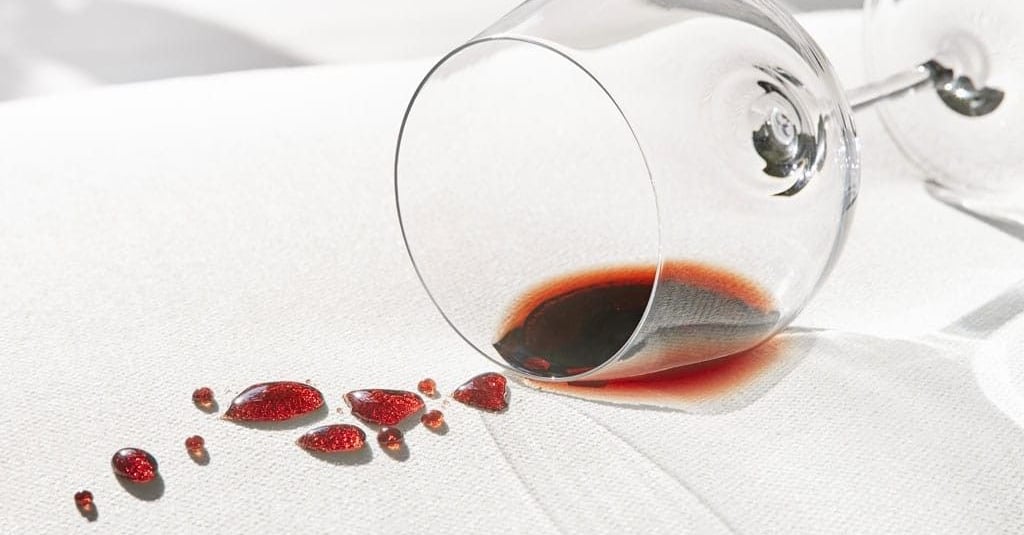
It's a Friday evening. Guests are over, the living room is full, and someone's glass tips. Red wine — the most feared sofa stain in existence — spreads across your leather cushion in slow motion.
If your sofa has professional nano protection applied, what actually happens next?
This isn't a marketing claim. This is a real-world scenario that plays out in Lebanese homes regularly — and the results of a nano-protected surface versus an untreated one tell a story worth understanding before your next dinner party.
First — What Makes Red Wine So Difficult on Leather
Red wine is one of the most aggressive staining substances a sofa can face. It combines three damaging properties simultaneously:
Deep pigmentation from tannins and anthocyanins — the natural compounds that give red wine its color — bonds aggressively with porous surfaces. On untreated leather, this pigment begins penetrating the surface within seconds of contact.
Acidity that actively breaks down leather's natural oils and surface finish, accelerating absorption and weakening the material over time with repeated exposure.
Moisture that softens leather fibers on contact, opening the grain and allowing pigment to travel deeper into the material before drying and setting permanently.
On untreated leather, a red wine spill that isn't addressed within the first thirty seconds is already a stain. On a professionally nano-protected surface, the dynamic is completely different.
What Happens on a Nano-Protected Leather Sofa
The moment red wine contacts a properly nano-treated leather surface, the hydrophobic barrier activates. Here's the sequence in real time:
The wine beads immediately. Rather than spreading and soaking in, the liquid forms droplets on the surface — the same way water beads on a freshly waxed car. The nano barrier has filled the microscopic pores in the leather grain, giving the liquid nowhere to penetrate.
The stain has no anchor point. Without surface pores to bond with, the wine's pigment cannot grip the leather. It sits on top of the protection layer rather than inside the material.
A cloth removes it cleanly. A simple wipe with a clean, dry cloth lifts the wine completely from the surface — no scrubbing, no specialist stain remover, no panic. The leather beneath is unmarked.
No residue, no discoloration, no damage. The surface looks exactly as it did before the spill. The fabric protection has done precisely what it was designed to do.
This is not a best-case scenario. This is the standard result of a correctly applied professional nano protection treatment on leather in good condition.
The Same Spill on Untreated Leather
For comparison, here's what the identical spill produces on unprotected leather:
Within seconds, the wine begins absorbing into the grain. The dark pigment spreads outward as the leather draws moisture inward. Blotting immediately helps — but some pigment has already bonded with the surface. Cleaning products may lighten the stain but rarely eliminate it entirely. The leather in the affected area often shows subtle discoloration permanently. Repeated spills in the same area accelerate surface wear, cracking, and finish degradation.
The difference isn't subtle. It's the difference between a five-second wipe and a permanent reminder of one unlucky evening.
What Nano Protection Is Actually Doing
The reason nano protection performs this way on red wine — and on cooking oil, coffee, juice, and pet contact equally — comes down to the science of the barrier it creates.
Professional-grade nano protection uses particles measured in nanometers — smaller than any pore in leather's natural grain structure. When applied correctly, these particles bond at a molecular level with the leather surface, creating a continuous hydrophobic and oleophobic shield. Hydrophobic means water-based substances are repelled. Oleophobic means oil-based substances are repelled.
Red wine, being water-based and pigment-rich, meets both barriers simultaneously — which is why it performs so dramatically on a treated surface. The protection doesn't alter how the leather feels or breathes. It simply closes the door on everything that would otherwise cause permanent damage.
Why Application Quality Determines Everything
This is the part that separates genuine nano protection results from disappointing ones.
Over-the-counter fabric protection sprays apply an uneven, shallow coating that covers some pores and misses others. On a real red wine spill, the gaps show immediately — patchy beading, partial absorption, inconsistent results.
Professional application involves a thorough leather cleaning first — removing oils, dust, and surface residue that would prevent nano bonding. The formula used is professional-grade, with higher nano-particle concentration than retail products. Application technique ensures full, even coverage across every surface including seams, edges, and curved areas. The curing period is respected before the sofa returns to use.
Without these steps, fabric protection underperforms exactly when you need it most — at the moment of a real spill.
How Long Does the Protection Hold Against Real Use?
A professionally applied nano protection treatment maintains its barrier effectively for 12 to 24 months under normal household conditions. The red wine test result on day one is essentially the same as on day three hundred — the barrier doesn't thin gradually the way surface coatings do. It remains intact until the nano bond itself begins to release, which is why professional re-treatment on schedule matters.
Between treatments, wiping spills promptly rather than letting them sit preserves the barrier longest. Avoiding harsh chemical cleaners on the treated surface keeps the nano layer intact. Using a pH-neutral leather care product periodically maintains the leather beneath the protection in optimal condition.
Red Flags That Your Nano Protection Wasn't Applied Properly
If you've had a nano protection treatment and red wine — or any liquid — still absorbs into your leather sofa, the issue is almost certainly application quality:
🚩 No leather cleaning was done before treatment — nano particles cannot bond to a dirty surface
🚩 A retail spray product was used rather than professional-grade formula
🚩 Insufficient curing time was allowed before use
🚩 Coverage was uneven — edges, seams, and curved areas were missed
🚩 The leather was in poor condition before treatment — cracked or heavily worn leather requires restoration before protection can be applied effectively
Conclusion
The red wine test is the ultimate proof of concept for nano protection — and on a correctly treated leather sofa, it passes every time. What would be a permanent stain on untreated leather becomes a five-second cleanup. What would be a source of panic becomes a non-event.
In Lebanese homes where entertaining, family life, and daily use put leather furniture under constant pressure, professional fabric protection isn't a luxury add-on. It's the practical difference between furniture that ages gracefully and furniture that shows every moment it's ever been used.
If your sofa isn't nano-protected — or if it's been over a year since treatment — don't wait for the next spill to remind you.
📞 Contact us today for a free assessment. Our professional nano protection service will give your leather furniture the barrier it needs — before the next Friday evening puts it to the test.