
Why Carpets in Lebanon Get Dirty and Damaged Faster Than You Think
It's Not How You Use Your Carpet — It's the Environment It Lives In Every Single Day
4/29/20263 min read
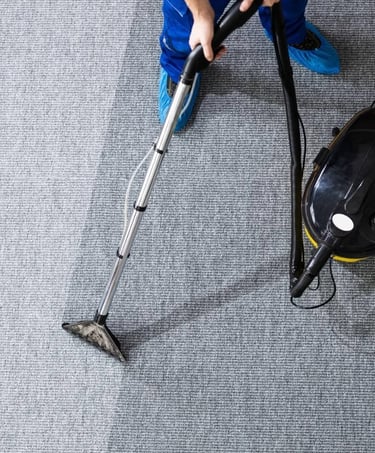
You bought a quality carpet. You vacuum it regularly. You try to keep the house clean. But somehow, after just a few years, it already looks worn, dull, and tired — nothing like it did when it was new. This is one of the most common frustrations Lebanese homeowners share, and the explanation is almost never about the carpet's quality or how it's been used. It's about the environment it lives in. The combination of local climate conditions, air quality, and everyday household realities creates a uniquely aggressive setting for carpets — one that accelerates damage and soiling far beyond what carpets experience in other climates.
اشتريت سجادة نوعية وبتكنسها بانتظام وبتحاول تحافظ على نظافة البيت — بس بعد سنتين تلاتة، السجادة بدت بالية وباهتة. هالإحساس شائع كتير عند أصحاب البيوت اللبنانية. والسبب مش نوعية السجادة ولا طريقة الاستخدام — هو البيئة اللي بتعيش فيها. مزيج المناخ المحلي وجودة الهوا والواقع اليومي بيخلق ظروف عدوانية جداً للسجاد بتسرّع تلفه وإتساخه أسرع بكتير من أي مناخ ثاني.
Dust and pollution — a daily assault on carpet fibers
The air quality in most Lebanese neighbourhoods carries a heavy load of fine particles — diesel exhaust from cars and trucks, generator emissions, construction dust, and wind-blown debris from unpaved roads and open lots. These particles are not just sitting on the surface of the carpet waiting to be vacuumed away. The finest ones — invisible to the eye — sink deep into the carpet pile with every footstep, wedging themselves between fibers and abrading them from the inside. Over time, this internal abrasion physically cuts the fiber structure, which is what causes that flat, dull, matted appearance that no amount of vacuuming can reverse. Carpets in heavily polluted environments need professional carpet cleaning more frequently, not because of visible surface dirt, but because of this invisible internal damage.
الهوا بكتير مناطق لبنانية محمّل بجزيئات دقيقة — عوادم الديزل، المولدات، غبار البناء، وتراب الطرق. هالجزيئات مش بس على سطح السجادة — الأدق منها بتنزل عمق الألياف مع كل خطوة وبتبدأ تحكها من الداخل. مع الوقت، هالاحتكاك الداخلي بيقطع بنية الألياف — وهاد هو سبب الشكل المفلطح والباهت اللي ما بيروح بالكنس. السجاد بالبيئات الملوثة بحاجة لتنظيف سجاد احترافي أكثر تكراراً — مش بسبب الوسخ المرئي بل بسبب الضرر الداخلي غير المرئي.
Humidity — the hidden accelerator of carpet damage
Lebanon's humidity levels fluctuate dramatically between seasons, and carpet fibers feel every shift. During humid periods, carpet fibers absorb ambient moisture and swell slightly — making them softer and more susceptible to trapping particles and staining. When the air dries out, the fibers contract and harden around whatever they've absorbed, locking in contaminants that become increasingly difficult to remove over time. This repeated swelling and contracting also weakens the fiber structure gradually, reducing the carpet's resilience and its ability to spring back after compression. In practice, this means a Lebanese carpet in a humid room will absorb and hold stains more aggressively than the same carpet in a drier environment — and will show wear faster for the same reason.
الرطوبة بلبنان بتتقلب كتير بين الفصول — وألياف السجاد بتحس بكل تغيير. بأوقات الرطوبة العالية، الألياف بتمتص الرطوبة وبتنتفخ، صايرة أكثر استعداداً لحبس الجزيئات والبقع. لما الهوا بيجف، الألياف بتنكمش حول اللي حبسته وبتقفل الملوثات جوا. هاد الانتفاخ والانكماش المتكرر بيضعّف بنية الألياف تدريجياً ويقلل مرونتها. عملياً، سجادة لبنانية بغرفة رطبة بتمتص البقع بشكل أقوى وبتبيّن التلف أسرع من نفس السجادة بجو جاف.
Sand and grit — the damage you track in every day
One of the most underestimated sources of carpet damage in Lebanese homes is the fine sand and grit tracked in from outside — particularly during the dry summer months when sandy dust coats every outdoor surface. Unlike soft household dust, sand particles have sharp edges that act like sandpaper against carpet fibers every time they are walked over. This is not dramatic or sudden damage — it is slow, cumulative, and happens with every single step on an unprotected carpet. By the time the damage is visible as flattened, dull patches in high-traffic areas, years of fiber abrasion have already taken place. Regular carpet cleaning removes this grit before it accumulates to damaging levels — which is why frequency of cleaning matters as much as the quality of cleaning itself.
من أكثر مصادر تلف السجاد غير المقدّرة بالبيوت اللبنانية هو الرمل والحبيبات الدقيقة اللي بتدخل مع الأحذية من برا — خصوصاً بالصيف لما الغبار الرملي بيغطي كل شي. بخلاف الغبار الناعم، حبيبات الرمل إيلها حواف حادة بتشتغل متل ورق الصنفرة على الألياف مع كل خطوة. الضرر مش درامي — هو بطيء ومتراكم. لما بيبين كمناطق مفلطحة بمسارات المشي، سنين من الحك الداخلي بتكون صارت. تنظيف سجاد بانتظام بيزيل هالحبيبات قبل ما تتراكم للمستوى الضار.
Mould and mildew — the risk inside the backing
In any home where windows are closed for extended periods, where air conditioning creates condensation, or where carpets are placed on cool tiled floors — which describes the vast majority of Lebanese homes — there is a persistent risk of moisture accumulating in the carpet backing and underlay. Mould and mildew thrive in exactly these conditions: warmth, limited airflow, and sustained moisture. The problem is largely invisible from the surface. By the time a carpet smells musty or shows discolouration at the edges, mould growth in the backing has often been developing for months. Professional carpet cleaning that reaches the backing layer — not just the surface pile — is the only way to address this before it becomes irreversible structural damage to the carpet.
بأي بيت بتنقفل فيه الشبابيك فترات طويلة، أو حيث المكيف بيخلق تكثيف، أو السجاد موضوع على بلاط بارد — وهاد ينطبق على غالبية البيوت اللبنانية — في خطر دائم من تراكم الرطوبة بالبطانة التحتية. العفن والعطانة بيعيشوا بالضبط بهالظروف. المشكلة مش مرئية من السطح — لما السجادة تريح برطوبة أو تبين اصفراراً على الحواف، العفن بالبطانة ممكن يكون منمو لأشهر. تنظيف سجاد احترافي يوصل للبطانة هو الطريقة الوحيدة لمعالجة هالمشكلة قبل ما تصير ضرراً دائماً.
What this means for how often you should clean your carpet
Given all of these local factors working against your carpet simultaneously — pollution particles abrading fibers, humidity cycles weakening them, sand and grit cutting through them, and moisture risking mould in the backing — the standard advice of cleaning carpets once every year or two simply isn't enough for most Lebanese homes. High-traffic areas and carpets in humid or poorly ventilated rooms benefit from professional carpet cleaning at least twice a year. Carpets in lighter-use rooms with good airflow can manage with annual cleaning — but only if combined with regular vacuuming using a HEPA-filter vacuum that captures fine particles before they work their way deeper into the pile. The goal is to stay ahead of the damage, not respond to it once it's already visible.
بناءً على كل هالعوامل المحلية — جزيئات التلوث والرطوبة والرمل وخطر العفن — النصيحة الاعتيادية بتنظيف السجاد مرة كل سنة أو سنتين مش كافية لمعظم البيوت اللبنانية. مسارات المشي والغرف الرطبة بتستفيد من تنظيف سجاد احترافي مرتين بالسنة على الأقل. الغرف الأخف استخداماً بتكفيها مرة بالسنة — مع كنس منتظم بمكنسة HEPA. الهدف هو تسبق الضرر، مش تتفاجأ فيه.
Simple test: Kneel down and press your palm firmly into the carpet in a high-traffic area, then look at your hand. If you see a visible grey or brown residue — that's compacted pollution, grit, and organic debris that vacuuming has never reached. That's exactly what professional carpet cleaning extracts.
Your carpet is working harder than it should — give it the clean it actually needs. 🏠
Our professional carpet cleaning service is designed for the real conditions Lebanese carpets face — extracting deep-set pollution, grit, moisture residue, and allergens from every layer, not just the surface. تنظيف سجاد احترافي مصمم لواقع السجاد اللبناني — بيوصل للعمق ويحمي استثمارك.