
Why Does My Sofa Smell Even After Cleaning? The Real Reason (And the Fix)
The Answer Is Deeper Than You Think — Literally
7/8/20263 min read
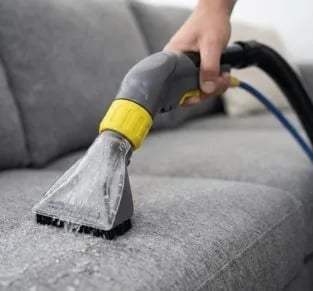
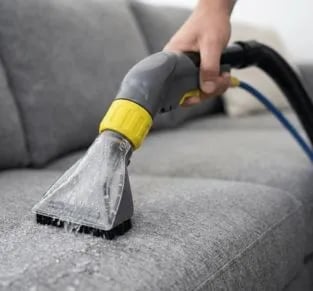
You cleaned the sofa. You used a good product, wiped it down thoroughly, maybe even sprayed a fabric freshener afterward. For a day or two it smelled fine. Then the smell came back — sometimes stronger than before. This is one of the most frustrating experiences in home cleaning, and it happens for a reason that most people never figure out because they're looking at the wrong part of the problem.
نظفت الكنب. استخدمت منتج كويس، مسحته بشكل كامل، وربما رشيت معطر قماش بعدها. ليوم أو يومين ريحته كانت كويس. وبعدين الريحة رجعت — أحياناً أقوى من قبل. هيدي من أكتر تجارب التنظيف المنزلي إحباطاً، وبتصير لسبب معظم الناس ما بيكتشفوه لأنهم عم ينظروا للجزء الغلط من المشكلة.
The Source Is Never Where You Think It Is
When a sofa smells, the instinct is to treat the surface — wipe it, spray it, deodorize it. The problem is that the source of persistent sofa odors is almost never on the surface. It's inside. Beneath the upholstery fabric lies a layer of padding, and beneath that a layer of foam. These inner layers absorb moisture, body oils, food residue, pet dander, and organic matter over months and years of daily use. When conditions are right — warmth, humidity, or additional moisture from cleaning — the bacteria and organic compounds living in those inner layers become active and release odor compounds that travel through the fabric to the surface.
لما الكنب يشم، الغريزة هي معالجة السطح — مسحه ورشه وإزالة الريحة منه. المشكلة إنه مصدر روايح الكنب المستمرة تقريباً مش على السطح أبداً. هو جوّاه. تحت قماش الكنب في طبقة بطانة، وتحتها طبقة إسفنج. هالطبقات الداخلية بتمتص الرطوبة وزيوت الجسم وبقايا الأكل ووبر الحيوانات الأليفة والمواد العضوية على مدى أشهر وسنين من الاستخدام اليومي. لما الظروف مناسبة — حرارة أو رطوبة أو رطوبة إضافية من التنظيف — البكتيريا والمركبات العضوية الساكنة بهالطبقات الداخلية بتصير نشطة وبتطلق مركبات روايح بتسافر من خلال القماش للسطح.
This is why surface cleaning always fails to solve a persistent sofa smell. It addresses the outermost layer while leaving the source completely untouched. And in Lebanon's humid climate, where moisture levels keep organic matter in upholstery consistently activated, the problem is more persistent and reactivates faster than in drier environments.
هيدا سبب إنه التنظيف السطحي دايماً بيفشل بحل ريحة الكنب المستمرة. بيعالج الطبقة الخارجية بينما يترك المصدر بدون أي مساس. وبمناخ لبنان الرطب، حيث مستويات الرطوبة بتبقي المواد العضوية بالكنب نشطة باستمرار، المشكلة أكتر استمرارية وبتتفعل أسرع من البيئات الأجف.
The Moisture Problem: How Cleaning Can Make It Worse
There's a particular irony in sofa odor problems: sometimes the cleaning itself is part of the reason the smell comes back. When water-based cleaning products are applied to upholstery and the fabric is left to dry slowly — or not fully dried — the moisture penetrates into the padding and foam beneath. This creates exactly the warm, damp conditions that bacteria and mold thrive in. The surface dries and smells acceptable for a day or two, and then as the inner moisture activates the microbial content of the foam, the smell returns — often worse than before cleaning because the additional moisture has accelerated bacterial activity.
في مفارقة خاصة بمشاكل روايح الكنب: أحياناً التنظيف نفسه هو جزء من سبب رجوع الريحة. لما منتجات التنظيف المائية تتطبق على الكنب والقماش يُترك يجف ببطء — أو ما يجف بالكامل — الرطوبة بتخترق للبطانة والإسفنج تحته. هيدا بيخلق بالضبط الظروف الدافئة الرطبة اللي البكتيريا والعفن بيتكاثروا بها. السطح بيجف وريحته مقبولة ليوم أو يومين، وبعدين لما الرطوبة الداخلية بتفعّل المحتوى الميكروبي للإسفنج، الريحة بترجع — أحياناً أسوأ من قبل التنظيف لأن الرطوبة الإضافية سرّعت نشاط البكتيريا.
This is one of the most common causes of the returning smell that puzzles people who feel they cleaned the sofa properly. The method was the problem, not the effort.
هيدا من أكتر الأسباب الشائعة للريحة العائدة اللي بتحيّر الناس اللي بيحسوا إنهم نظفوا الكنب بشكل صحيح. الطريقة كانت المشكلة، مش الجهد.
What Actually Solves the Problem
Fixing a persistent sofa odor requires two things working together: eliminating the microbial source inside the foam and padding, and doing so in a way that doesn't reintroduce moisture problems in the process. This is exactly what professional furniture steam cleaning is designed to deliver.
حل ريحة الكنب المستمرة بيحتاج شيئين يشتغلوا معاً: القضاء على المصدر الميكروبي داخل الإسفنج والبطانة، وعمل هيدا بطريقة ما بتعيد تقديم مشاكل الرطوبة بالعملية. هيدا بالضبط ما furniture steam cleaning الاحترافي مصمم ليقدمه.
Steam penetrates deep into the layers of the sofa — reaching the padding and upper foam layers where the odor source actually lives. The high temperature of the steam kills the bacteria and breaks down the organic compounds that are generating the smell at their source rather than masking them at the surface. Critically, steam cleaning uses significantly less moisture than water-based washing methods, and professional equipment extracts the moisture as part of the process — leaving the foam significantly drier than it would be after conventional wet cleaning, which eliminates the reactivation risk that causes the smell to return.
البخار بيخترق عميق لطبقات الكنب — بيوصل للبطانة والطبقات العلوية من الإسفنج حيث مصدر الريحة يعيش فعلاً. الحرارة العالية للبخار بتقتل البكتيريا وبتكسر المركبات العضوية اللي عم تولد الريحة من مصدرها بدل إخفائها على السطح. والأهم، تنظيف البخار بيستخدم رطوبة أقل بكتير من طرق الغسيل المائية، والمعدات الاحترافية بتستخرج الرطوبة كجزء من العملية — وبتترك الإسفنج أجف بكتير مما سيكون بعد التنظيف الرطب التقليدي، وهيدا بيلغي خطر إعادة التفعيل اللي بيسبب رجوع الريحة.
When the Smell Has a Specific Source
Not all sofa odors come from generalized bacterial buildup. Some have identifiable sources: pet urine, food spills, mildew from prolonged moisture exposure, or smoke absorption. Each of these requires a targeted approach within the broader furniture cleaning process. Pet urine odors specifically require enzymatic pre-treatment before steam — because the uric acid crystals that cause pet odors need to be broken down chemically before steam extraction can remove them fully. A professional upholstery and furniture cleaning company identifies the odor source before selecting the treatment method, which is why professional results differ fundamentally from DIY attempts that apply the same product to every problem.
مش كل روايح الكنب بتيجي من تراكم بكتيري عام. بعضها عنده مصادر محددة: بول الحيوانات الأليفة، سوائل الأكل المسكوبة، العفن من التعرض المطوّل للرطوبة، أو امتصاص الدخان. كل واحدة من هيدي بتحتاج نهجاً مستهدفاً ضمن عملية تنظيف كنب الأشمل. روايح بول الحيوانات الأليفة بشكل خاص بتحتاج معالجة إنزيمية مسبقة قبل البخار — لأن بلورات حمض اليوريك اللي بتسبب روايح الحيوانات الأليفة محتاجة تنكسر كيميائياً قبل ما الاستخراج بالبخار يقدر يشيلها بالكامل. شركة upholstery and furniture cleaning company احترافية بتحدد مصدر الريحة قبل اختيار طريقة المعالجة، وهيدا سبب اختلاف النتائج الاحترافية جذرياً عن محاولات التنظيف الذاتي اللي بتطبق نفس المنتج على كل مشكلة.
The Ventilation Factor in Lebanese Homes
Lebanon's climate creates a specific challenge for sofa odor management that's worth naming directly. High indoor humidity — common in poorly ventilated apartments, particularly during summer when windows stay closed for air conditioning — keeps organic matter in upholstery consistently moist and active. This means that even a sofa that was professionally cleaned will develop odors faster in a poorly ventilated space than in a well-aired one.
مناخ لبنان بيخلق تحدياً محدداً لإدارة روايح الكنب يستاهل التسمية مباشرة. الرطوبة الداخلية العالية — الشائعة بالشقق ضعيفة التهوية، خاصة بالصيف لما الشبابيك تبقى مقفولة للتكييف — بتبقي المواد العضوية بالكنب رطبة ونشطة باستمرار. هيدا معناه إنه حتى كنب نُظف احترافياً رح يطور روايح أسرع بمساحة ضعيفة التهوية مقارنة بمساحة جيدة التهوية.
After a professional تنظيف كنب session, maintaining adequate ventilation — opening windows when conditions allow, using fans to circulate air, and avoiding covering freshly cleaned furniture with throws or covers before it's fully dry — all help preserve the results for significantly longer. These habits don't replace professional cleaning, but they do extend the time before the next session is needed.
بعد جلسة تنظيف كنب احترافية، الحفاظ على تهوية كافية — فتح الشبابيك لما الظروف تسمح، استخدام مراوح لتدوير الهواء، وتجنب تغطية الكنب المنظف حديثاً بأغطية أو أغطية قبل جفافه الكامل — كلها بتساعد بالحفاظ على النتائج لفترة أطول بكتير. هالعادات ما بتعوض التنظيف الاحترافي، بس بتطوّل الوقت قبل الحاجة للجلسة القادمة.
The Smell Isn't a Mystery — It's a Solvable Problem
Persistent sofa odors aren't a sign that your furniture is beyond help or that cleaning doesn't work. They're a sign that the cleaning method hasn't reached the source. Once the source is treated correctly — with the right depth, the right temperature, and the right extraction — the smell doesn't just fade temporarily. It's gone because what was causing it has been eliminated, not covered up.
روايح الكنب المستمرة مش إشارة إنه أثاثك ما في فيه أمل أو إنه التنظيف ما بيشتغل. هي إشارة إنه طريقة التنظيف ما وصلت للمصدر. بمجرد ما المصدر يتعالج بشكل صحيح — بالعمق الصحيح والحرارة الصحيحة والاستخراج الصحيح — الريحة ما بتخف مؤقتاً بس. هي راحت لأن ما كان يسببها أُزيل، مش غُطّي.
📞 Book your professional furniture cleaning session today — solve the smell at its source, not just its surface.